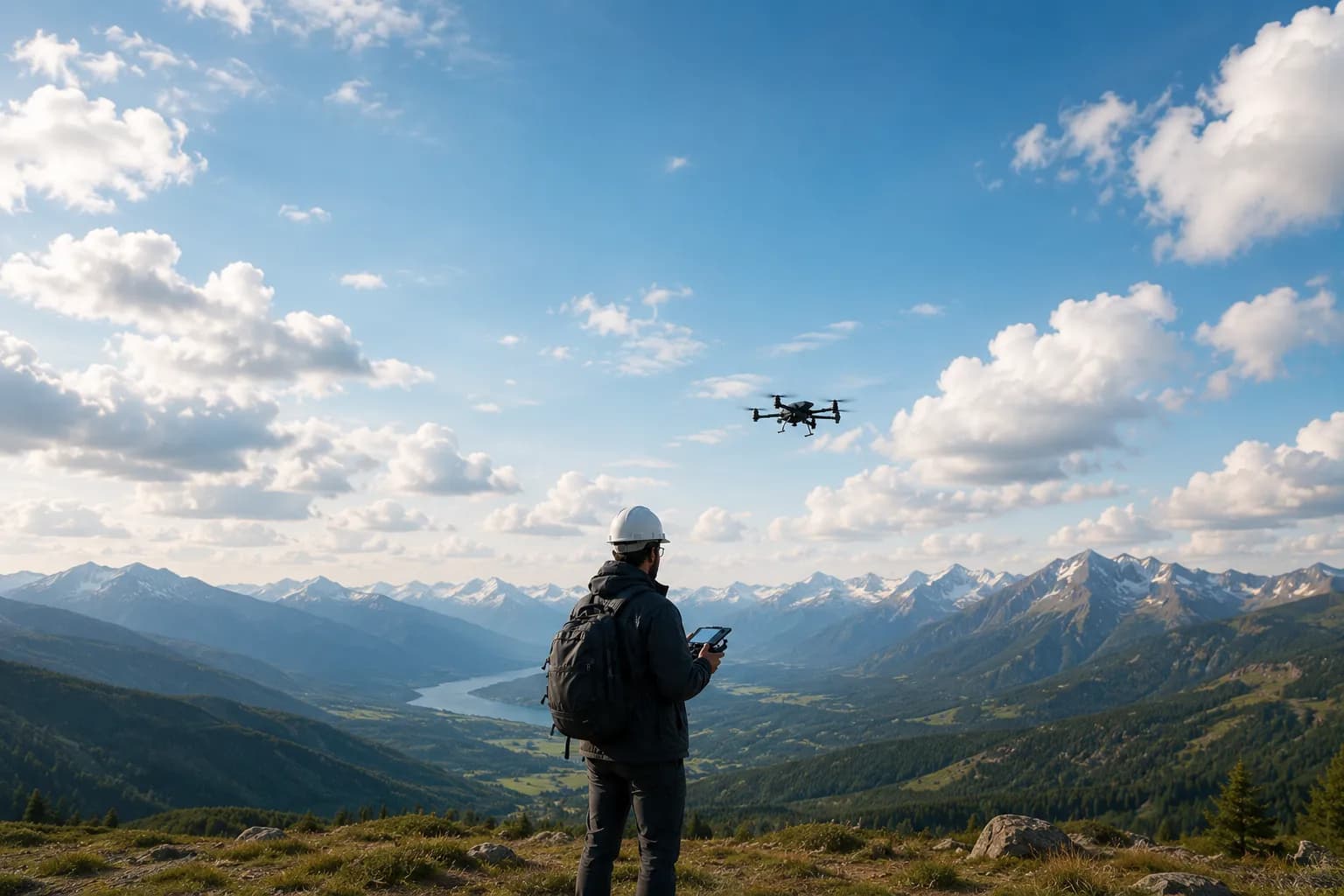

A regional utility operator running roughly 1,200 miles of transmission line came to DTC with a specific problem: helicopter-based line inspection was costing them close to $180 per mile, and the inspection window kept slipping because helicopter crews had to be scheduled weeks in advance. They wanted to move inspection in-house using drones, but had no certified pilots and no internal training program.
This is a case study of what that transition actually looked like — not the pitch version, the operational one, including the parts that didn't go smoothly at first.
Building the pilot team
The utility selected 11 field technicians, all already familiar with the transmission infrastructure, to become the core drone inspection team rather than hiring outside pilots. That decision mattered more than expected: a technician who already knows what a damaged insulator or a compromised conductor looks like needs far less training on what to look for, and can focus certification time on flight operations and compliance instead.
All 11 completed standard certification within six weeks, running in parallel with their normal field duties. Three went on to complete the BVLOS track, since a portion of the utility's rural line runs through terrain where visual-line-of-sight inspection isn't practical.
What the first year actually looked like
The first three months were slower than helicopter inspection, not faster — the team was still building flight-planning routines and working out battery logistics for long rural stretches. By month four, inspection throughput matched the helicopter baseline. By month eight, it had exceeded it, largely because drone inspection didn't require the multi-week scheduling lead time that grounded the helicopter approach.
Per-mile inspection cost landed at $108 by the end of the first year, a 40% reduction from the $180 helicopter baseline. The reduction came from three places: no aircraft charter cost, faster turnaround on flagged defects since the same team that spots an issue can often address it, and the ability to re-inspect a specific short stretch of line without scheduling a full helicopter pass.
What we'd tell another utility considering this
The biggest early mistake was underestimating battery and logistics planning for rural stretches with no vehicle access. That's operational, not a training gap — no amount of flight instruction solves a dead battery 20 miles from the nearest charging point. Utilities considering a similar transition should plan the logistics model before the pilot's first certification exam, not after.